
Leave Your Message
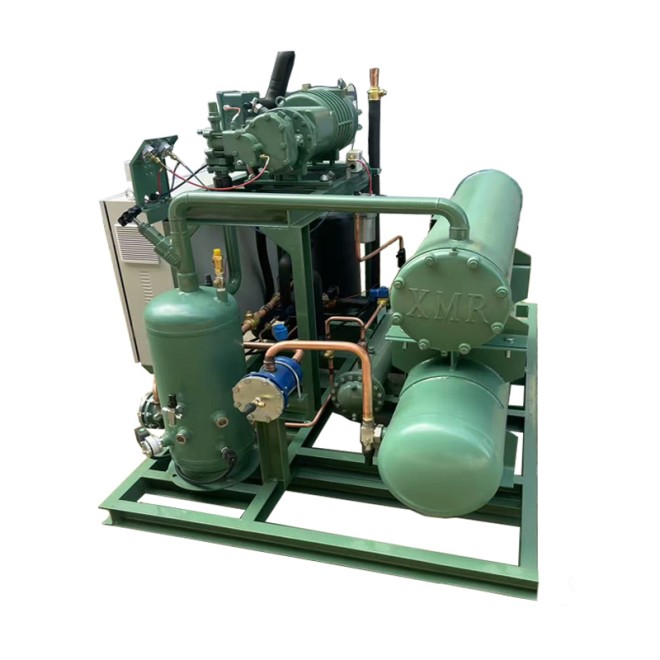
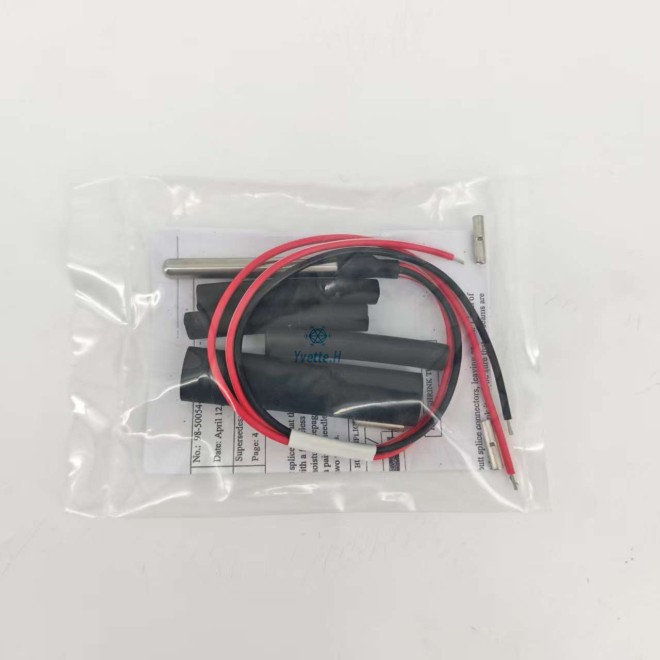
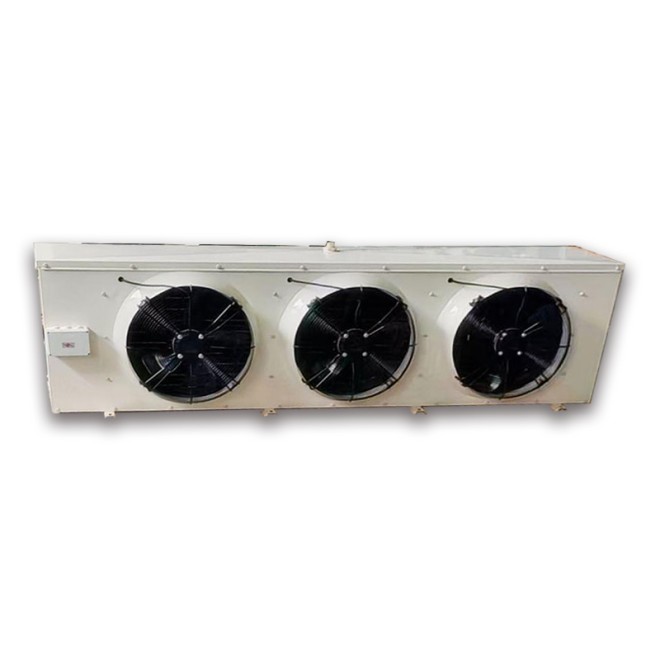
In the high-stakes world of global cold chain logistics, transport refrigeration units (TRUs) act as the lifeline for perishable food, pharmaceuticals, and temperature-sensitive chemicals. A critical yet frequently overlooked component in maintaining the efficiency of these systems is the Window Air Conditioner Filter. Designed to fit seamlessly within the ventilation and evaporator pathways of Carrier Transicold fleet units, these filters serve as the first line of defense against environmental pollutants, road dust, and airborne debris.
Without adequate filtration, particulate matter quickly accumulates on the evaporator coils and internal sensors, such as the 12-00500-01SV Return Air Sensor. This accumulation restricts airflow, forcing the compressor to work harder, which dramatically increases fuel consumption and elevates the risk of premature component failure. For fleet operators managing hundreds of reefers, ensuring that high-quality window air conditioner filters are consistently replaced is not just a maintenance chore—it is a core strategy to safeguard operational margins and cargo integrity.
Did you know? A clogged air filter can reduce evaporator airflow by up to 30%, causing the refrigeration system to run longer cycles and consuming significantly more diesel fuel per transit hour.
The global transport refrigeration market is experiencing unprecedented growth, driven by the expansion of online grocery delivery, pharmaceutical distribution, and strict international food safety regulations. Fleet managers are constantly seeking ways to optimize their spare parts supply chain. Sourcing reliable aftermarket and OEM-compatible components—ranging from massive screw compressor condensing units to precise window air conditioner filters—has become a top priority.
In modern fleet operations, downtime is the ultimate enemy. A single refrigeration system failure during transit can lead to cargo spoilage costing tens of thousands of dollars. Consequently, the commercial demand for fleet spare parts has shifted toward durable, high-efficiency filtration solutions that can withstand harsh intermodal shipping environments, including extreme temperature fluctuations, high humidity, and marine salt spray.
To fully appreciate the role of a window air conditioner filter in Carrier Transicold fleet spare parts, one must look at the specific environments where these reefers operate daily:
Refrigeration units rely on precise feedback loops. The 12-00500-01SV Return Air Sensor measures the temperature of the air returning from the cargo area to adjust cooling output. If the air filter is dirty or missing, dust settles directly on the sensor bulb. This dust acts as an insulator, delaying the sensor’s response time. As a result, the system may overcool or undercool the cargo, leading to freezing damage or spoilage. Therefore, a clean window air conditioner filter is vital for the correct calibration and operation of electronic sensors.
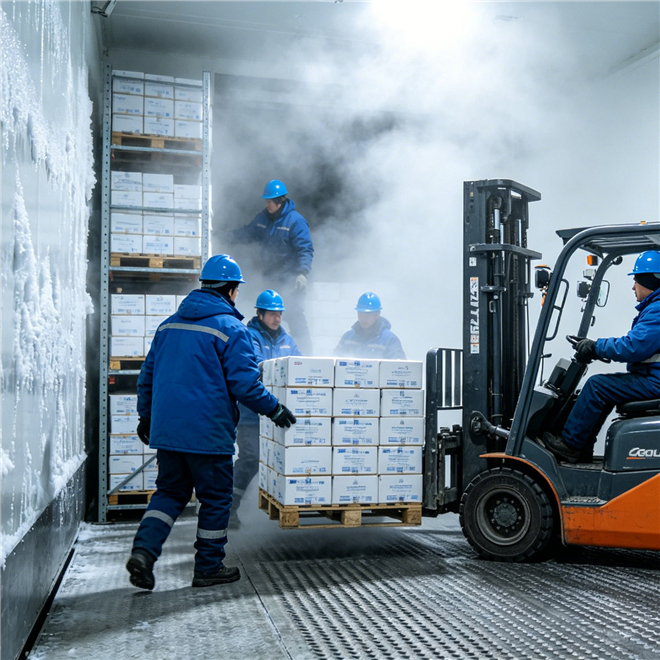

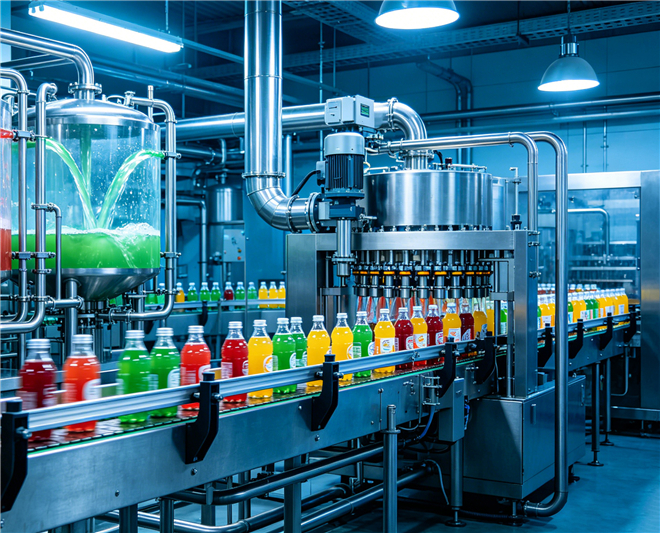
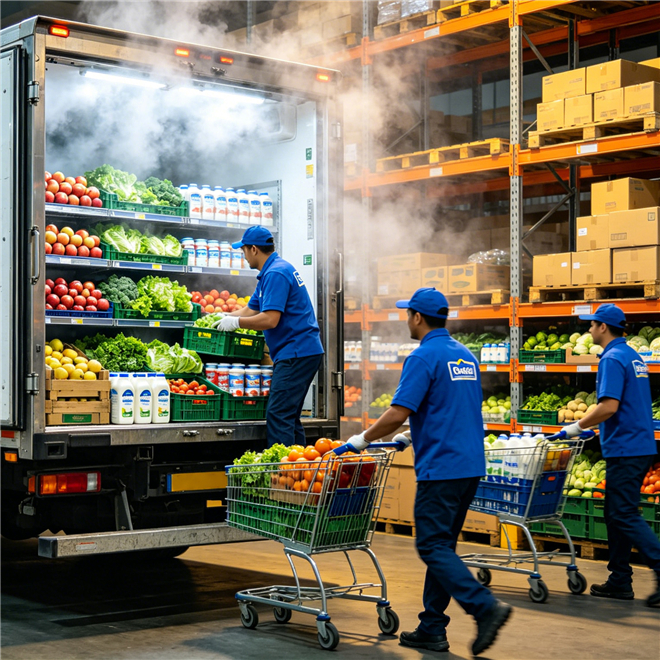
Lies in our extensive inventory and product diversity — reducing the need for multiple suppliers and simplifying your procurement process. By consolidating your sourcing with us, you save time, reduce shipping costs, and minimize administrative overhead.
At Xinchang Weien, customer satisfaction is at the core of what we do. With solid industry expertise and a commitment to reliable service, we don't just supply products — we aim to exceed your expectations and support the long-term success of your refrigeration operations. Contact us today to experience the convenience of one-stop refrigeration sourcing.
As the refrigeration industry moves toward sustainability and digitalization, fleet maintenance parts are also evolving. We are witnessing several key trends that will shape the future of spare parts procurement:
Traditional single-use fiber filters are being replaced by reusable, washable electrostatic filters. These advanced window air conditioner filters offer high dust-holding capacities while reducing the volume of waste generated by fleet maintenance facilities, aligning with corporate ESG (Environmental, Social, and Governance) goals.
Integrating pressure-drop sensors within the filter housing allows fleet telematics systems to monitor filter health in real-time. Instead of replacing filters on a fixed schedule, fleet managers receive alerts only when the filter reaches its maximum particulate load. This minimizes maintenance labor and maximizes the service life of each spare part.
In the wake of heightened global health awareness, modern air filters for transport cabins and cargo areas are increasingly treated with antimicrobial coatings. These coatings inhibit the growth of mold, bacteria, and fungi on the filter media, ensuring clean and odor-free airflow throughout the cargo hold, which is particularly critical for fresh produce and dairy transport.