
Leave Your Message
In the modern retail ecosystem, supermarket cold chain logistics represent the vital link between agricultural production and consumer tables. Maintaining the absolute integrity of fresh foods, dairy, meats, and pharmaceuticals requires a rigorous approach to temperature and environmental control. While public attention often focuses on the heavy-duty refrigeration compressors and insulated cargo bodies, the micro-environment within the driver’s cabin and the air circulation pathways of the refrigeration units are equally critical. This is where the specialized Window Air Conditioner Filter for Supermarket Cold Chain Logistics Fleets becomes indispensable.
These specialized filters perform a dual function: they protect the vehicle's operators from prolonged exposure to urban emissions, dust, and airborne pathogens, while also preventing particulate accumulation on sensitive HVAC and refrigeration components. In logistics fleets where vehicles operate continuously in dusty distribution centers, high-traffic highways, and urban delivery routes, standard filters quickly clog. A clogged filter restricts airflow, forcing the system to work harder, increasing fuel consumption, and compromising temperature control accuracy.
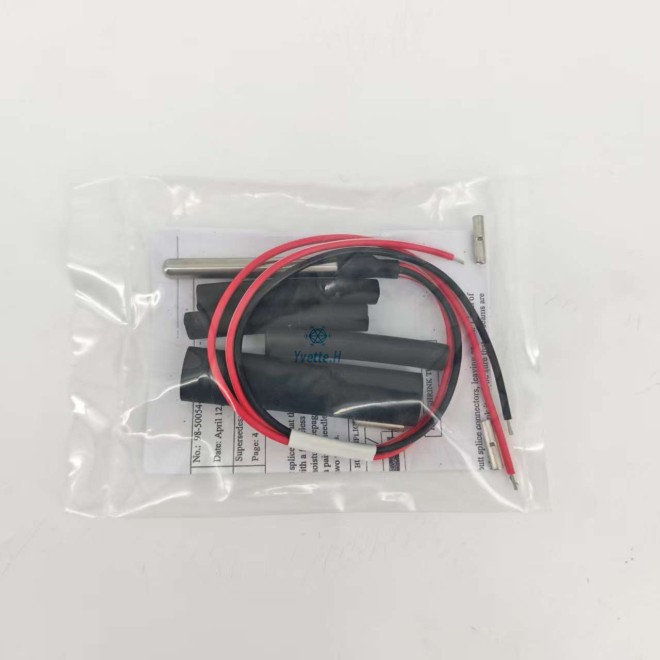
Air filtration is not just about comfort; it is a fundamental pillar of operational efficiency. High-performance filtration keeps the heat exchange coils clean, ensuring that the return air sensors, such as the 12-00500-01SV Return Air Sensor, can accurately gauge the thermal environment without interference from dust blankets or moisture-induced mold.
The global cold chain logistics sector is undergoing a massive transformation driven by stricter food safety regulations, environmental compliance, and the growth of e-commerce delivery networks. Supermarket fleets are no longer just transporting bulk pallets; they are handling multi-temperature zones and mixed cargo in urban zones. This shift has placed unprecedented stress on vehicle air conditioning and climate control systems.
Historically, cabin and window filters in utility transport fleets were viewed as low-cost consumables. Today, industrial fleet operators recognize them as high-value defense systems. In cold chain fleets, the air conditioner filter prevents cross-contamination. When delivery trucks dock at supermarket loading bays, they are exposed to diesel exhaust, dust, and biological contaminants. Without high-efficiency particulate air (HEPA) or active carbon window filters, these pollutants enter the cabin and the cargo transfer pathways, posing health risks to drivers and threatening the hygiene of the food storage zones.
Stricter regulations, including the Hazard Analysis Critical Control Point (HACCP) and local occupational health laws (such as OSHA guidelines), mandate that fleet operators maintain clean, safe environments inside delivery vehicles. Furthermore, the integration of advanced electronics in modern transport refrigeration units (TRUs) requires cleaner air to prevent static discharge and component overheating. As a result, the market demand for heavy-duty, multi-layered window air conditioner filters has surged, forcing manufacturers to design filters that offer high dust-holding capacity with minimal pressure drop.
To understand the depth of application, we must look at where these filters are deployed within a supermarket logistics fleet:
Last-mile delivery vehicles operate in stop-and-go city traffic, where concentration levels of PM2.5, nitrogen oxides, and diesel soot are at their peak. Drivers frequently open and close doors, allowing external pollutants to flood the cabin. A premium window air conditioner filter equipped with electrostatic fibers captures sub-micron particles, ensuring that the driver remains alert and healthy throughout their shift, reducing fatigue-related accidents.
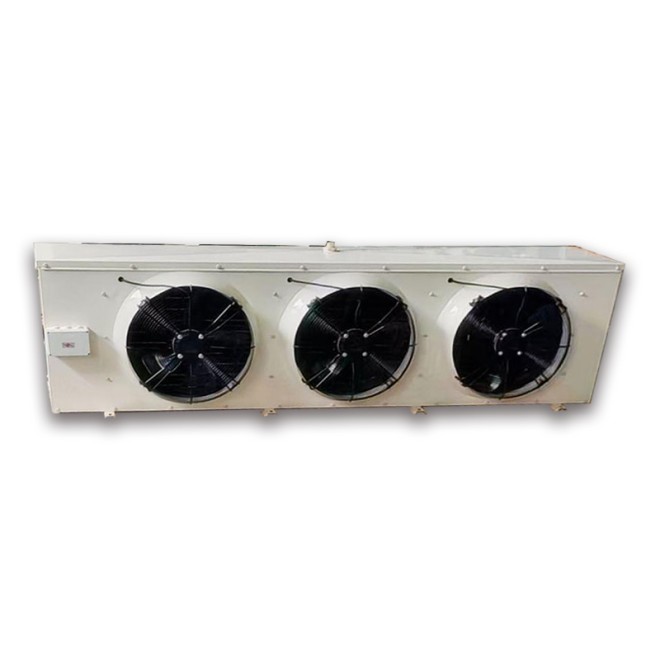
For long-distance transportation of temperature-sensitive cargo, refrigerated container units rely on continuous air circulation. The air intake systems of these containers use heavy-duty filtration setups to ensure that the air drawn over the evaporator coils (like the DD/DJ/DL series) is free from road dust. Dust accumulation on evaporator coils acts as an insulator, severely reducing cooling efficiency and leading to temperature fluctuations that can ruin entire shipments of fresh produce.
Supermarket distribution centers are hubs of intense activity, with multiple forklifts, trucks, and trailers moving simultaneously. The air in these enclosed or semi-enclosed spaces contains high levels of tire wear particles, dust, and exhaust. Window air conditioning units installed in fleet management offices, driver rest cabins, and security checkpoints require specialized industrial filters to maintain indoor air quality under these harsh, high-particulate conditions.
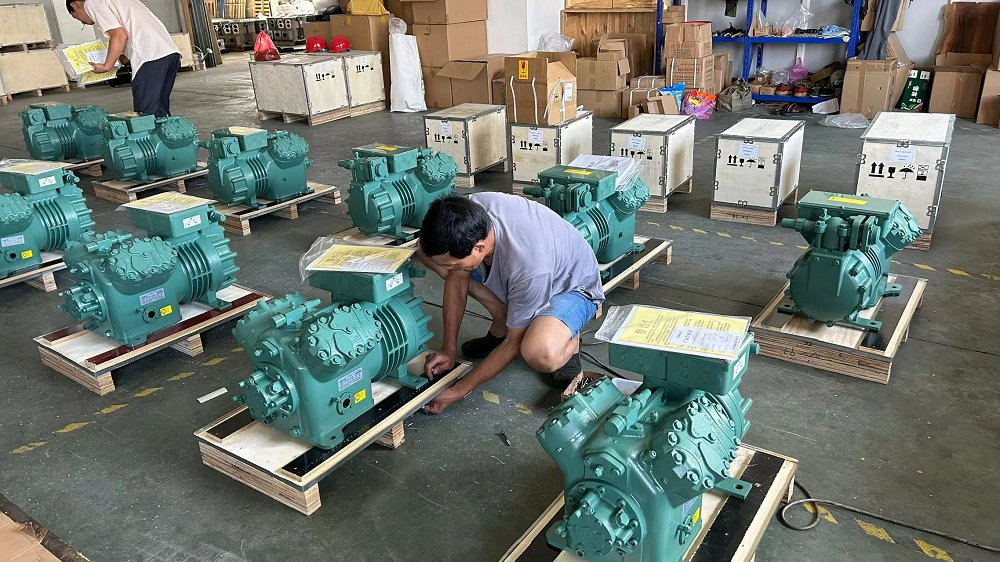
Xinchang Weien Import & Export Co., Ltd. is a reliable integrated industry and trading company, serving as a one-stop sourcing hub for refrigeration equipment and spare parts. We understand that sourcing refrigeration components from multiple suppliers can be time-consuming, costly, and logistically challenging. That is why we have built a comprehensive supply chain to meet all your refrigeration needs under one roof.
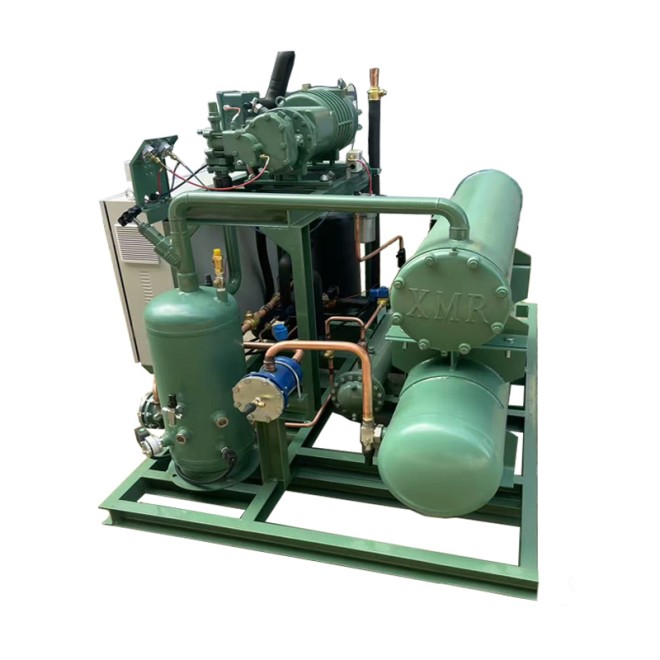
With a strong focus on quality and performance, we offer a comprehensive product portfolio compatible with world-leading brands such as Bitzer, Carrier, Thermo King, Copeland, and more. Our wide-ranging lineup covers everything from complete cold storage units to precision-engineered components.


When selecting a Window Air Conditioner Filter for Supermarket Cold Chain Logistics Fleets, engineering specifications dictate performance. Unlike residential filters, fleet filters must withstand extreme vibrations, moisture exposure, and pressure differentials. The filter media is typically composed of synthetic fibers structured in a progressive density matrix. This design ensures that larger particles are trapped on the outer surface, while sub-micron particles are captured deep within the media, maximizing the filter's service life.
Furthermore, active carbon integration is essential for fleets operating in urban food distribution. Active carbon layers adsorb harmful gases like sulfur dioxide, nitrogen dioxide, and volatile organic compounds (VOCs) that originate from heavy traffic. This keeps the cabin air fresh and prevents chemical odors from adhering to the food transport containers during loading and unloading cycles.
In addition, compatibility with major refrigeration systems is vital. The components supplied by Xinchang Weien, ranging from evaporators to precision sensors, work in harmony with clean air systems to guarantee that the overall system efficiency remains at peak levels. Clean air means less thermal resistance, which translates directly to lower fuel consumption and reduced wear on the compressor units.

The future of cold chain logistics is undeniably digital. As fleets adopt telematics and IoT solutions, air filtration systems are becoming "smart." Modern window air conditioner filters and refrigeration intake filters are increasingly integrated with differential pressure sensors. These sensors monitor the airflow resistance in real-time, transmitting data to fleet managers via cloud platforms. Instead of replacing filters on a rigid schedule, maintenance teams can replace them based on actual wear, reducing waste and preventing unexpected system failures.
Additionally, the push towards sustainability is driving the development of biodegradable filter media and recyclable frames. Supermarket chains, aiming to meet strict ESG (Environmental, Social, and Governance) targets, prefer logistics partners who utilize eco-friendly components. By investing in highly efficient, low-resistance filters, logistics fleets can also lower their carbon footprint through improved fuel economy, aligning commercial success with environmental responsibility.
At Xinchang Weien, we continuously monitor these industry trends to ensure our clients receive components that comply with modern standards. From high-quality evaporators and compressors to advanced sensors, we provide the hardware necessary to keep your cold chain logistics fleet moving efficiently, safely, and sustainably.